The bill, MI HB4023, allows for the transfer of certain state-owned property in Eaton County to other entities. It establishes a process for this land transfer, making it easier to manage state property. This legislation aims to streamline the conveyance of land and ensure that it is used effectively.
The bill allows Michigan to join the Physical Therapy Licensure Compact, which would make it easier for physical therapists licensed in other states to practice in Michigan without needing a separate state license. This aims to streamline the process for physical therapists and enhance access to care for patients. The bill is linked to another piece of legislation, HB 4102.
The bill proposes to exempt certain outdoor event spaces from specific regulations that apply to food service establishments. This means that events held outdoors, like festivals or fairs, would have more flexibility in how they serve food. The goal is to simplify food service rules for these types of events.
The bill modifies how corporate income tax revenue is distributed in Michigan. It specifically amends existing laws to change the allocation of these funds. This legislation is tied to several other bills that address related financial matters.
MI HB4063 is a bill that aims to prevent certain former state government officials from lobbying activities for a specific period after leaving their positions. This is intended to ensure that there is a clear separation between public service and private interests, promoting ethical behavior among public employees. The bill amends existing laws regarding ethics for public officials.
This bill establishes a licensure compact for occupational therapists in Michigan, allowing them to practice in other states that are part of the compact without needing additional licenses. It amends existing health occupation laws to include this new section. The bill is connected to another piece of legislation, HB 4104.
Michigan House Bill 4207 allows health insurance policies to exclude certain federal benefits that are considered excepted. This means that specific health benefits that are federally recognized but not mandated will not be covered under these insurance policies. The bill is tied to another legislation (HB 4208) that likely relates to health benefits as well.
This bill aims to enhance ethics for public employees and officers by preventing former members of the Michigan legislature from participating in certain lobbying activities for a specified period after leaving office. The goal is to reduce potential conflicts of interest and ensure that lawmakers do not immediately transition into lobbying roles that could influence their former colleagues. This amendment updates existing legislation from 1978.
The bill designates a bridge over highway I-96 in Michigan as the 'LCpl Michael W. Hanks Memorial Bridge'. This is a tribute to honor the memory of LCpl Michael W. Hanks, who served in the military. The bill amends existing legislation to officially name the bridge in his honor.
Michigan House Bill 4104 updates the licensure process for occupational therapists to align with the Occupational Therapy Licensure Compact. This means that licensed occupational therapists can practice in multiple states without needing to obtain separate licenses for each state. The bill aims to streamline the process and improve access to occupational therapy services.

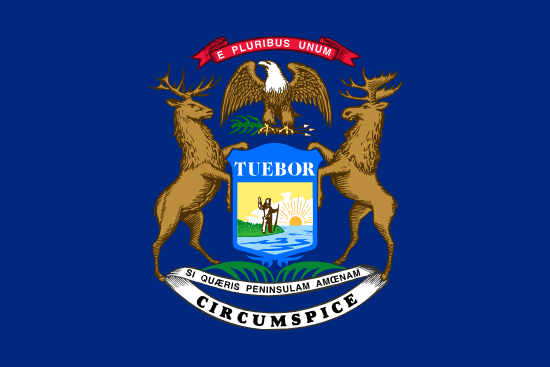 Michigan